Patchouli Oil: Benefits, Uses, and History
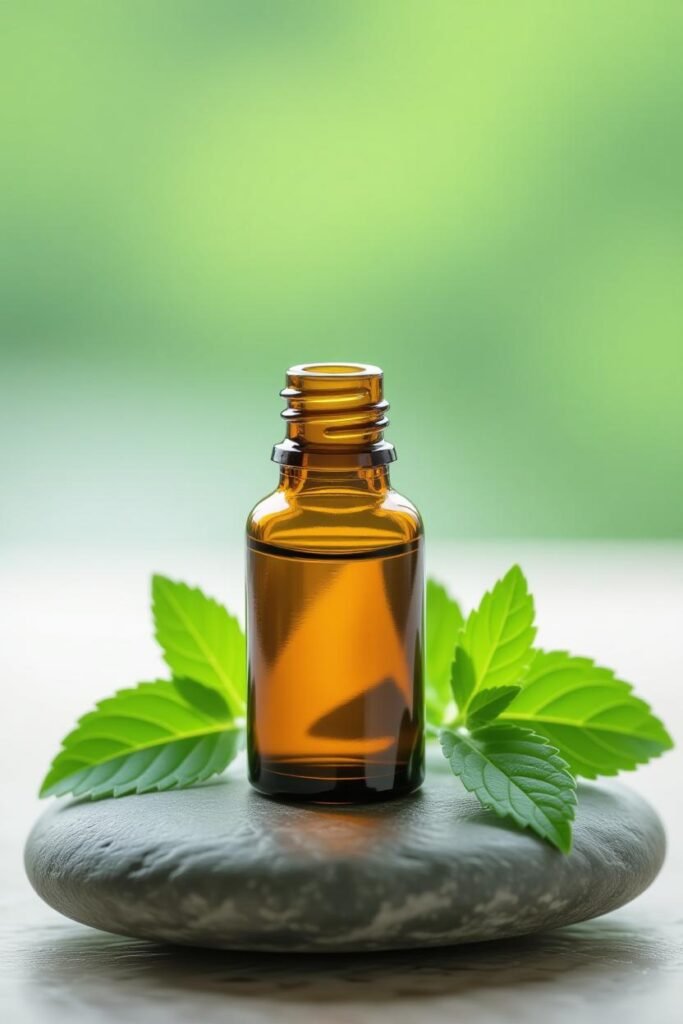
Patchouli oil, derived from the lush leaves of the Pogostemon cablin plant, has captivated aromatherapy enthusiasts, skincare aficionados, and perfume creators for centuries. Known for its earthy, musky aroma that evokes images of exotic Eastern bazaars, patchouli oil is more than just a scent—it’s a versatile essential oil packed with potential health benefits and practical applications. For instance, whether you’re exploring the benefits of patchouli oil for stress relief, its antibacterial properties for skin care, or its role in crafting signature fragrances, this comprehensive guide dives deep into everything you need to know about this timeless elixir.
Moreover, in today’s fast-paced world, natural remedies like patchouli oil are gaining popularity as people seek holistic ways to enhance well-being. In addition, from ancient traditional medicine to modern aromatherapy, patchouli oil stands out for its anti-inflammatory, antifungal, and mood-balancing qualities. However, what makes patchouli oil so special? Specifically, its rich chemical profile, including key compounds like patchoulol, contributes to its wide-ranging uses. Therefore, in this article, we’ll explore the history of patchouli oil, how it’s extracted, its composition, proven benefits backed by science, everyday uses, and essential safety tips. Ultimately, by the end, you’ll be equipped to incorporate patchouli oil into your routine confidently and effectively.
Furthermore, as we unpack the wonders of patchouli oil, remember that while research is promising, it’s always wise to consult a healthcare professional before starting any new regimen, especially if you have underlying health conditions. Consequently, let’s embark on this aromatic journey and discover why patchouli oil remains a staple in natural wellness.
History and Origin of Patchouli Oil
To begin with, the story of patchouli oil is as rich and layered as its scent. Native to the tropical regions of Southeast Asia—including Indonesia, Malaysia, the Philippines, and parts of India—the Pogostemon cablin plant has been revered for millennia. In fact, the name “patchouli” itself traces back to the Tamil words paccuḷi, meaning “green leaf,” which highlights its verdant origins. Moreover, archaeological and historical records suggest that patchouli was used as early as 4000 years ago in ancient civilizations for medicinal and aromatic purposes.
For example, in traditional Indian Ayurveda, patchouli leaves were brewed into teas to combat fevers, digestive issues, and headaches, while in Chinese Traditional Medicine (TCM), it featured prominently in formulas like Baoji Pill for treating colds, nausea, and abdominal pain. Subsequently, by the 18th century, patchouli oil had made its way to Europe via silk traders from the East. As a result, it became a symbol of luxury, often wrapped around cashmere shawls imported from India to ward off moths and impart a distinctive fragrance. Notably, Queen Victoria herself was said to be a fan, using it in her perfumes.
In addition, the 19th century saw patchouli oil explode in popularity in perfumery, blending seamlessly with floral and oriental notes. Fast-forward to the 1960s and 1970s, and patchouli oil became synonymous with the counterculture hippie movement in the West. Therefore, its earthy vibe aligned perfectly with the era’s embrace of natural, free-spirited living, appearing in incense, oils, and even as a protest against synthetic scents. Today, for instance, global demand for patchouli oil exceeds 1,600 metric tons annually, with over 90% sourced from Indonesia. This resurgence, moreover, underscores its enduring appeal in modern wellness, from yoga studios to high-end spas.
Beyond commerce, patchouli’s cultural footprint is profound. Specifically, in Malaysian and Japanese folk medicine, it’s employed for snake bites and insect stings, while in Nepal and Northeast India, it’s a staple for treating dampness-related ailments. In conclusion for this section, this deep-rooted history not only explains the allure of patchouli oil but also its evolution from a humble herb to a global essential oil powerhouse.
Extraction and Production of Patchouli Oil
First of all, producing high-quality patchouli oil is an art that blends tradition with precision, ensuring the oil retains its potent therapeutic properties. The process begins with cultivating the Pogostemon cablin plant in humid, shaded tropical environments—ideal conditions that mimic its native Southeast Asian habitat, where soil rich in organic matter promotes lush growth.
Furthermore, harvesting occurs multiple times a year, typically when the plant reaches 60-90 cm in height. Leaves and tender stems are hand-picked to avoid damaging the roots, allowing for regrowth. Post-harvest, for example, the material is shade-dried to prevent degradation from direct sunlight, which could evaporate volatile compounds. Some producers lightly ferment the leaves for a few days to enhance aroma depth, although this step varies by region.
Next, the heart of extraction is steam distillation, the gold standard method for patchouli oil. Dried leaves are loaded into a still, where steam ruptures cell walls, releasing the oil vapors. These vapors travel through a condenser, separating the essential oil from the hydrosol (aromatic water). The yield is modest—about 2-4% by weight—making premium patchouli oil a labor-intensive, valuable commodity. In contrast, alternative methods like supercritical CO2 extraction are emerging for purer results without heat, preserving delicate sesquiterpenes.
Additionally, quality hinges on factors like plant age, distillation timing, and geographic terroir. Indonesian oils, for instance, are prized for their robust, woody profile due to volcanic soils. Post-distillation, the oil is aged for months to mellow its initially sharp notes, resulting in the smooth, balsamic essence we know. Sustainable farming practices, such as organic certification, are increasingly vital amid rising demand, ensuring patchouli oil remains ethically sourced.
Therefore, understanding this process highlights why authentic patchouli oil commands respect—and why diluting it properly is key to unlocking its benefits safely.
Chemical Composition of Patchouli Oil
What gives patchouli oil its magic? A complex symphony of over 140 compounds, primarily sesquiterpenes, that define its therapeutic and aromatic prowess. At the forefront is patchoulol (also called patchouli alcohol), a sesquiterpene alcohol comprising 30-50% of the oil, responsible for its signature musky, woody base note. This compound alone drives many anti-inflammatory and antimicrobial effects.
In addition, supporting players include α-patchoulene and β-patchoulene (around 10-15% each), which contribute to the oil’s fixative properties in perfumes. β-caryophyllene, a sesquiterpene shared with black pepper, adds spicy undertones and anti-inflammatory synergy. Other notables include α-bulnesene, seychellene, and norpatchoulenol for earthy depth; pogostone, a ketone with antifungal potential; and traces of monoterpenes like α-pinene, β-pinene, and limonene for fresh, citrusy lifts.
Moreover, non-volatile elements from the plant—flavonoids like apigenin and ombuin, phytosterols such as β-sitosterol, and glycosides like acteoside—bolster antioxidant and skin-soothing actions, though they’re less prominent in distilled oil. Composition varies: Vietnamese samples boast higher patchoulol (up to 37%), while Chinese variants emphasize pogostone (20-30%). Factors like harvest season and extraction method influence these ratios, with steam-distilled oils offering the most balanced profile.
Consequently, this intricate makeup not only explains patchouli oil’s versatility but also its synergy with other essentials, making it a cornerstone in blends for holistic health.
Health Benefits of Patchouli Oil
Patchouli oil’s health benefits are as diverse as they are intriguing, supported by a blend of traditional wisdom and emerging science. From soothing inflammation to warding off microbes, let’s break down the key advantages.
Anti-Inflammatory and Pain-Relieving Properties
Chronic inflammation underlies many ailments, and patchouli oil shines here. Studies on mice and cells reveal that patchouli alcohol reduces swelling by curbing pro-inflammatory cytokines like TNF-α and IL-6 from macrophages. In rat models of colitis, it lessened colon damage and neutrophil infiltration, suggesting gut health potential. For pain, oral extracts in mice diminished responses to stimuli, likely via anti-inflammatory pathways—promising for arthritis or muscle aches when used topically.
Patchouli Oil’s Antimicrobial and Antifungal Power
In an era of antibiotic resistance, patchouli oil’s antibacterial prowess is a boon. It disrupts biofilms in MRSA, inhibiting growth comparably to commercial soaps against Staphylococcus aureus and Pseudomonas aeruginosa. Antifungal studies show efficacy against Candida albicans and Cryptococcus neoformans, with varying potency based on strain. Virally, methanol extracts combat influenza A (H1N1) by modulating immune pathways, positioning it as a supportive ally during cold season.
Patchouli Oil for Skin Health and Anti-Aging
Patchouli oil is a dermatology darling for acne, eczema, and dryness. Its antibacterial action targets Propionibacterium acnes, while antioxidants combat UV-induced wrinkles—mouse studies noted increased collagen and reduced photoaging. It accelerates wound healing for ulcers and abrasions by maintaining skin integrity, making it ideal for topical blends.
Patchouli Oil for Mood and Stress Relief
Aromatherapy fans swear by patchouli oil for mental clarity. Inhalation lowers sympathetic activity, blood pressure, and pulse, easing anxiety and depression. Human trials link it to improved alertness and reduced insomnia, while animal models show antiemetic effects for nausea. Its aphrodisiac reputation stems from nerve-calming sesquiterpenes, enhancing libido in traditional use.
Other Patchouli Oil Benefits: Digestive Aid and Insect Repellent
For digestion, it soothes gastritis and promotes motility in mouse studies. As an insecticide, it’s toxic to mosquitoes, ants, and termites—undiluted, it repels Aedes aegypti for hours. Weight loss claims lack strong evidence, but appetite control via aromatherapy shows mild promise.
While animal and in vitro data dominate, human trials are growing, affirming patchouli oil’s role in natural health.
Everyday Uses of Patchouli Oil
Patchouli oil’s versatility extends far beyond the bottle, infusing daily routines with natural elegance.
In Aromatherapy and Wellness
Diffuse 3-5 drops for a grounding ritual—pair with lavender for sleep or citrus for focus. Steam inhalation clears sinuses, while massage blends (diluted at 2%) target tension headaches.
Skincare and Haircare Applications
Add to carrier oils for anti-acne serums or moisturizers; it balances oily skin without clogging pores. For hair, a few drops in shampoo combats dandruff, thanks to antifungal properties.
Perfumery and Home Fragrance
As a base note, it anchors custom perfumes with rose or sandalwood. Infuse linens or candles for moth-repelling freshness.
Household and Beyond
Clean surfaces with a vinegar-patchouli spray for antibacterial punch. In gardening, it deters pests from plants. These uses highlight patchouli oil’s seamless integration into holistic living.
Potential Side Effects and Precautions
Patchouli oil is generally safe when diluted, but undiluted application risks irritation—always patch test. It may thin blood, so avoid if on anticoagulants or pre-surgery. Inhalation overuse causes nausea; ingestion is dangerous and unstudied. Pregnant individuals and kids should consult pros. Pets? Keep away, as cats metabolize it poorly.
How to Choose and Use Patchouli Oil Safely
Opt for 100% pure, therapeutic-grade from reputable sources—dark glass bottles preserve potency. Indonesian origins often yield superior quality. Dilute 1-2% in jojoba for skin; use diffusers for air. Store cool and dark. Start low to gauge tolerance.
Conclusion: Embrace the Earthy Essence of Patchouli Oil
Patchouli oil’s journey from ancient remedy to modern must-have is a testament to its enduring power. With benefits spanning inflammation relief to mood enhancement, it’s a natural gem worth exploring. Incorporate mindfully, and let its grounding aroma elevate your life.